Reviews
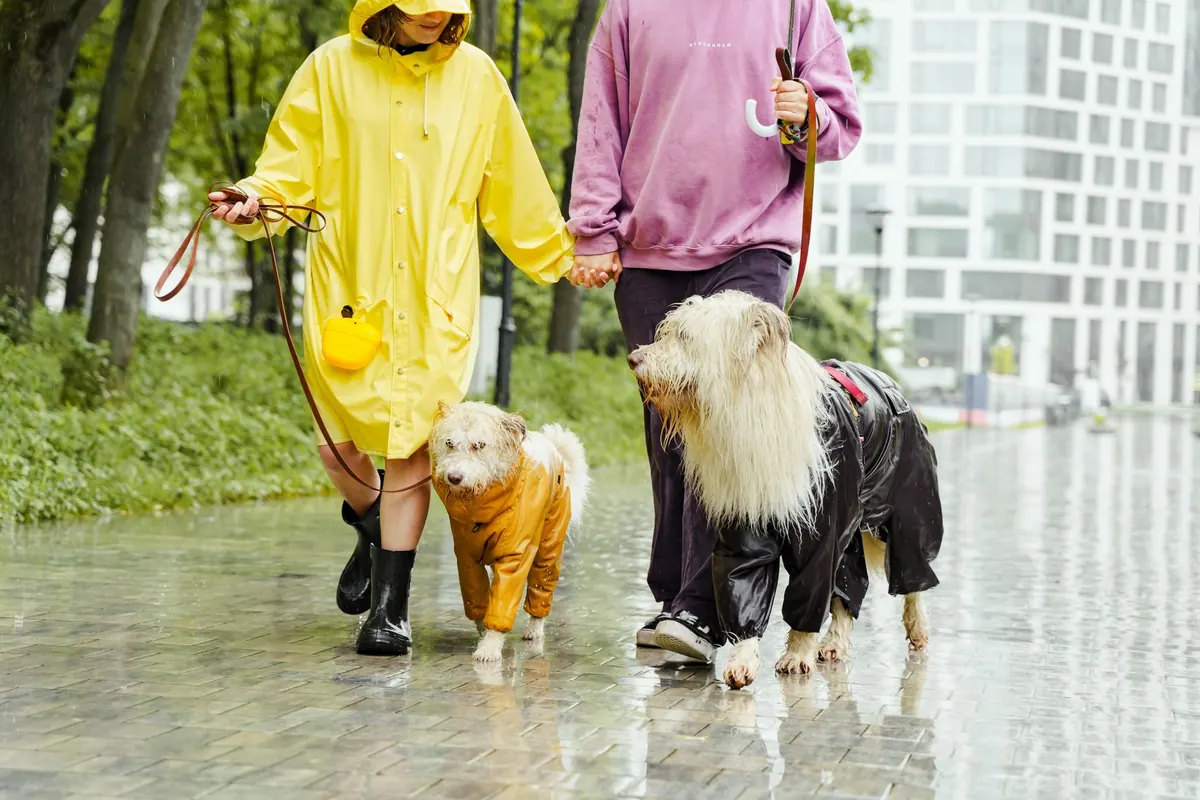
Best Wellington Boots for Dog Walking on Wet Trails
A muddy trail after rain tells you everything about a pair of wellies within twenty minutes. Either you are striding along the towpath with dry socks and a dog trotting happily ahead, or you are sliding sideways down a slope of wet clay while the lead wraps itself around your knees. The difference rarely comes down to brand prestige or a clever colourway. It comes down to tread, fit, height, and how the boot behaves when it is caked in mud and you are standing at the back door wondering where the hose is.
This guide covers the four things that matter most for walking dogs on wet ground: grip, comfort, height and easy cleaning. It also covers how to match a boot to the walks you actually do, rather than the ones you imagine doing on a sunny day in June.
Grip: Where Cheap Boots Give Themselves Away
Almost any boot feels fine on a dry pavement. The test comes on wet roots, slick boardwalk planks, gravelly descents and that stretch of field where two hundred cattle have turned the gate into a mud bath.
Two things create grip. The first is lug depth and pattern: deep, well-spaced lugs bite into soft ground and shed mud as you lift your foot. Tight, shallow tread clogs instantly and then behaves like a smooth sole on ice. The second is the rubber itself. Softer compounds hold better on wet rock and roots but wear faster on tarmac; harder compounds last for years and skid on damp stone.
When you try boots on in a shop, press a thumb into the sole and check the heel. A defined heel block gives you a brake on descents, which is where most slipping happens with an enthusiastic dog pulling downhill. Also flex the boot: if the sole feels like a plank, you will feel every stone through it by mile three.
Height and Cut: How Deep Does Your Mud Go?
Boot height is a practical decision, not a style one. Mid-calf boots are lighter and easier to pull on, and they suit pavement walks, park loops and shallow puddles. Knee-high boots keep splash, long wet grass and deep puddles off your trousers, and they are the safer choice if your dog likes towing you through standing water.
Three height questions worth asking
- Does your usual route have grass above ankle height, or mud that comes over the top of a short boot?
- Do you step through puddles rather than around them?
- Is your calf wide enough for a tall boot to be comfortable, or will the shaft press and rub?
If your calves are broad, look for adjustable gussets, buckles or a neoprene panel. A tall boot that grips your calf too tightly is worse than a short one that fits properly — it restricts circulation, and cold feet follow. If you have circulation problems, diabetes or ongoing foot pain, get advice from a podiatrist or your GP before choosing footwear for long daily walks.
Comfort Over Distance: Fit, Footbed and Weight
Dog walking is rarely ten minutes. It is forty minutes twice a day, in the rain, at the end of a working day. Comfort is not a luxury feature here; it decides whether you keep going out.
Look for a boot that holds your heel without pinching the toes. Your foot should not slide forward when you walk downhill, which is the classic cause of bruised toenails after a long walk. Toe room matters more in cold weather, when you will wear thicker socks.
A removable footbed is a quiet advantage. It lets you swap in an arch support you already trust, and it lets you dry the inside properly after a soaking. Weight also adds up: a heavy boot feels tolerable in the shop and exhausting by the fourth field. If you walk on rough ground, some ankle support is worth carrying; if you walk mostly on lanes, lighter wins.
Easy-Clean Design: The Feature You Will Thank Yourself For
Mud gets everywhere, and the boots that clean fastest share a few traits. Smooth rubber shafts rinse clean in seconds. Textured fabric panels, deep seams and decorative straps all trap grit and stay damp. Look at the tread from underneath: open channels between lugs let you knock the mud out with one tap against a wall, while dense patterned soles need a brush every time.
If you walk dogs daily in winter, cleaning speed matters as much as waterproofing. A boot that takes two minutes to rinse beats a technical boot that takes ten.
Removable linings and neoprene cuffs are worth considering. Linings can be pulled out and dried indoors; neoprene keeps you warm but holds water, so it needs longer to dry. Store boots upright, out of direct sun, and never on a hot radiator — heat cracks rubber over time. A boot jack saves your back, and a folded newspaper or a boot dryer inside overnight stops that damp, sour smell.
Warmth and Sweat: Getting the Lining Right
Wellies do not breathe much, which means sweat is the real enemy in autumn and spring. Damp feet get cold fast, no matter how thick the rubber. Wool or wool-blend socks manage moisture far better than cotton, and they stay warm when damp.
For winter, a neoprene-lined boot or a decent thermal sock is usually enough. For summer walks, unlined rubber with a thin wool sock keeps things bearable. If your feet run hot, avoid the heaviest insulated boots for anything except hard frost.
Match the Boot to Your Regular Walk
- Pavement and park loops: short or mid-height, lighter sole, low lugs, priority on comfort.
- Mixed lanes and fields: mid-height, moderate lugs, defined heel, removable footbed.
- Woodland and river paths: deeper lugs for roots and wet rock, ankle support, knee-high shaft for splash.
- Serious mud, winter daily: deep self-clearing tread, tall shaft, neoprene lining, easy-rinse surface.
- Coastal and sandy walks: smooth shaft for easy rinsing, mid-height to keep sand out of socks.
Buying, Testing and Looking After Them
Try boots on late in the day when your feet are at their largest, and wear the socks you actually walk in. Walk up and down a slope if the shop allows it, or at least on a hard floor and a carpet, and pay attention to the heel. If it lifts, size down or choose a different shape. If your toes touch the front, size up.
Once home, give new boots a short walk before trusting them on a three-mile route. Check for rubbing at the top of the shaft and behind the heel. Clean them the same day, every time — a thirty-second rinse keeps rubber supple and tread effective. Then leave them somewhere airy, upside down or propped upright, so the inside dries fully before the next wet morning.
Get those four things right — grip, height, comfortable fit and quick cleaning — and a muddy walk becomes just a walk. Which, if you have a dog staring at the lead, is exactly what you want.
Photo: Yaroslav Shuraev / Pexels